That Musty Smell When the AC Kicks On Is Usually Mold in Your Vents
Mold treatment runs $50 per vent, flat, with a $399 minimum job.
You have heard the air duct horror stories.
We treat it at every vent for $50, with a 12-month guarantee. Mold removal inside an HVAC system runs $2,000 to $10,000 nationally. This is the affordable fix before it gets there. Bactronix is Marine-owned: Greg Busang sets the flat price you see here and stands behind every job his crews finish.
Marine veteran owned · EPA-registered antimicrobial · SC state contract holder · 12-month guarantee · Flat $50 per vent, posted price
You know the pattern: the $89 coupon that turns into $700 at the door, the “mold removal” that left the mold right where it was, quotes from a dollar to six hundred for the same house. That is why most people never call.
We do it the opposite way. One flat price, $50 a vent, posted right here on the page. Greg Busang owns the company and set that number himself; the crews he trained work to it, so nobody standing at your vents earns a dime by inflating it. You see the exact math before you pick up the phone.
Flat $50 Per Vent
12-Month Guarantee
EPA-Registered Product
Marine-Owned
See your exact price in 30 seconds.
Enter your vent count. The total it shows is the total on your invoice.
How much does it cost to treat mold in your HVAC vents?

| Scope of work | Price |
|---|---|
| Bactronix per-vent treatment | $50 per vent (flat, $399 minimum) |
| Typical 10 to 15 vent home | $500 to $750 |
| Conventional HVAC-system mold removal | $2,000 to $10,000 (national estimate, Charleston SC area) |
| Whole-home mold remediation | $1,200 to $3,750+ (national estimate, Charleston SC area) |
The $2,000 to $10,000 band is for removing mold from inside an HVAC system, not plain duct cleaning. Routine per-vent duct cleaning runs $25 to $50 a vent nationally. Our $50 a vent is antimicrobial treatment, the step those cheaper cleanings skip. Sources: HomeGuide 2026, This Old House 2026, Angi 2026.
How do you actually treat mold in air vents?
1. We find the moisture. Mold in ducts is a water problem first. The EPA says it plainly: “the key to mold control is moisture control” (EPA, A Brief Guide to Mold, Moisture and Your Home). We locate what is feeding it, usually a cold duct sweating in humid air.
2. We clean the system. Source removal across the supply runs, returns, registers, coil, drain pan, and air handler. You cannot treat mold you have not cleaned off.
3. We apply the antimicrobial. An EPA-registered antimicrobial, applied to its label, by our Bactronizing electrostatic process so it coats every surface the brush cannot reach.
4. We stand behind it for 12 months. If the treated mold comes back inside a year, we come back and re-treat it. No charge.
Is duct cleaning the same as mold treatment?
A $30 to $40 duct cleaning in Charleston gets the loose debris out. It does nothing for the colony on the cold coil or the slime in the drain pan, which is where the musty smell comes from. That is why a cleaning alone often leaves the smell behind. Treatment is the cleaning plus the antimicrobial step, applied to the source.
Is it safe to put antimicrobial in my air ducts?
The EPA’s “Should You Have the Air Ducts in Your Home Cleaned?” raises a fair question about chemical biocides in ductwork. Spraying biocide over uncleaned ducts, without fixing the water, is exactly why other companies’ “mold treatments” do not hold. We clean first, treat the source of the moisture, and use the product the way its label requires. That is the difference between a treatment and a spray bottle.
Cane Bay and Summerville air is built for duct mold.
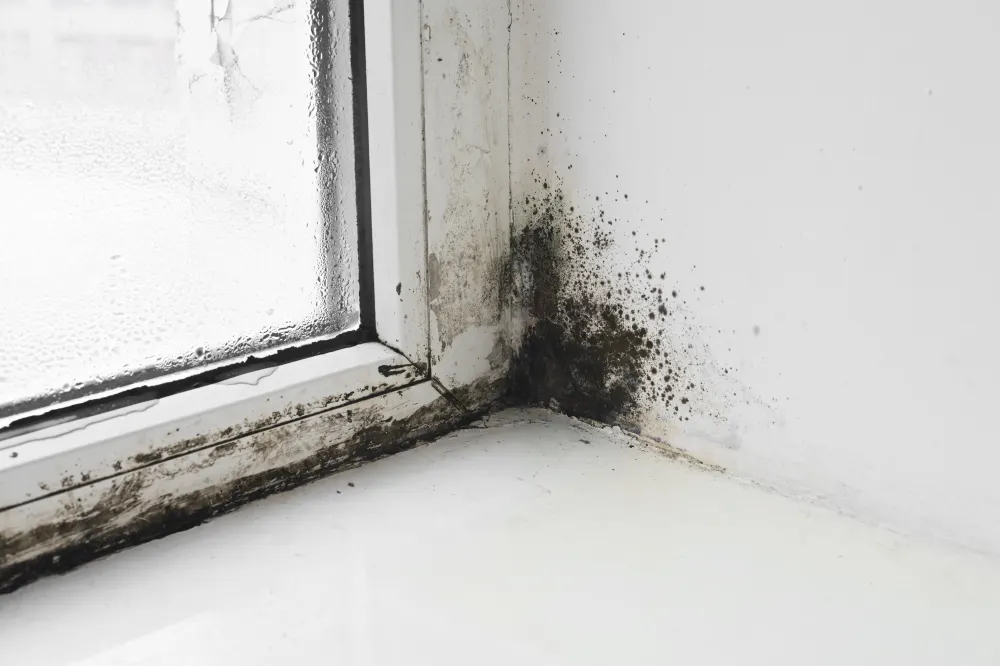
- It is muggy here about six months a year. The Charleston and Summerville area sits humid from late April into late October, with average relative humidity around 72 percent (WeatherSpark; weather-and-climate.com). The EPA says mold grows when indoor humidity climbs over 60 percent, and recommends keeping it between 30 and 50 percent (EPA). We sit above that line for half the year.
- Your AC duct is the coldest surface in the house. Warm, wet Lowcountry air hits that cold metal and condenses. The EPA literally illustrates this with a photo captioned “condensation on uninsulated air conditioning duct” (EPA, Mold Course Chapter 2). That water, plus the dust already in the duct, is mold food, sitting right where your air blows out.
- New builds are worse, not better. Airtight, high-efficiency homes like the ones across Cane Bay and Nexton run the AC in shorter cycles, which removes less humidity, so indoor moisture climbs (US Department of Energy Building Science, report BA-1310). If your two-year-old house has a musty smell, it is not in your head, and it is not a defect you caused.
You smell it before you see it.
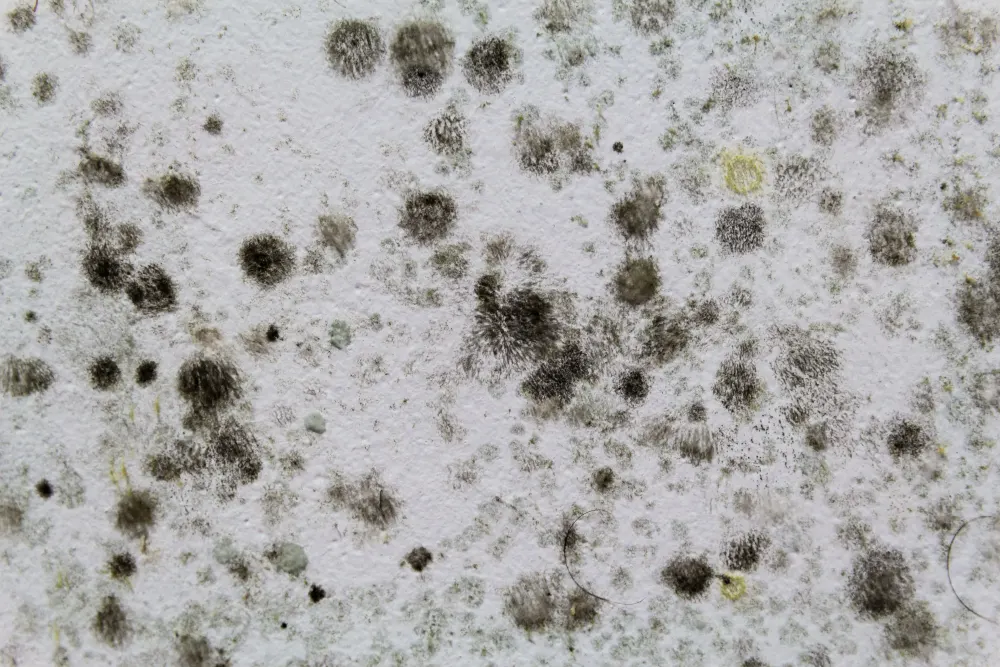

Mold in the system does not stay in the system. Every time the blower runs, it pushes spores back into the bedrooms. For some people that means a stuffy nose, coughing, wheezing, or itchy, watery eyes, and people with asthma or a mold allergy can react more strongly (CDC; EPA). You do not have to see black spots on a vent for the air to be the problem. The smell when the AC starts is usually the first and only sign.
One flat price, $50 a vent, posted right here on the page.
How do I know if I have mold in my ducts?
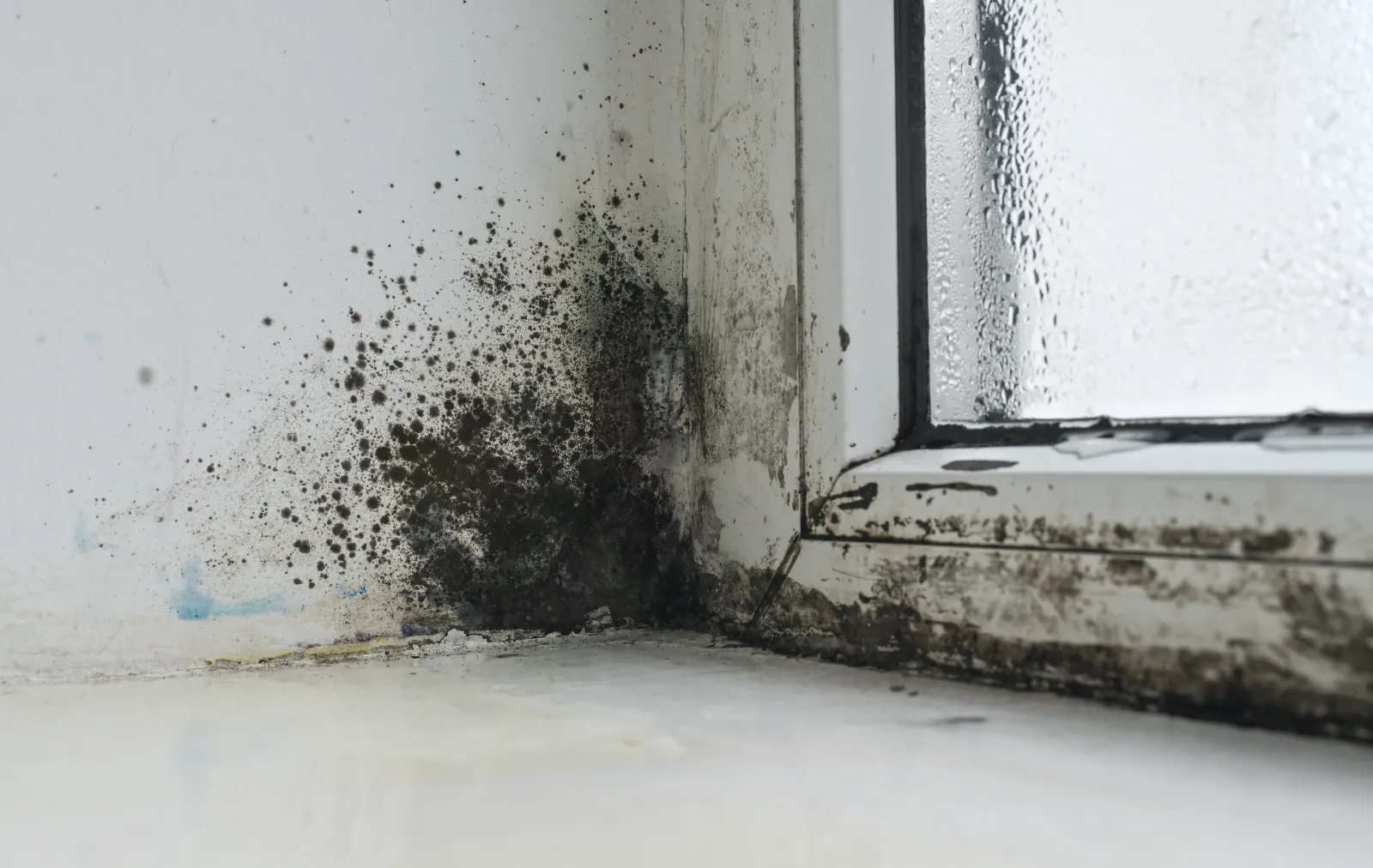
Signs it is mold in your system, not just a dirty filter:
- A musty or earthy smell that shows up when the AC or heat kicks on.
- Allergy or asthma symptoms that ease within hours of leaving the house.
- Dust or fine debris that returns on surfaces within a day of cleaning.
- Visible specks or fuzz on or around the vent covers and registers.
- A recent leak, flood, or long humid stretch with the system running little.
- A new or recently built home where the AC runs in short cycles.
Every $50-per-vent treatment covers the whole system.
- Every supply and return vent, register, and grille
- Heating and cooling coil
- Condensate drain pan
- Blower motor and fan housing
- Air handler cabinet
- EPA-registered antimicrobial, applied by the Bactronizing electrostatic process
- A 12-month guarantee
- A transferable treatment certificate. If you sell, it documents for the buyer that the air system was cleaned and treated, the one part of the house a South Carolina CL100 letter never grades.
We start in our own backyard.
We treat HVAC mold across Cane Bay, Nexton, Carnes Crossroads, Summerville, Goose Creek, and Moncks Corner, plus the wider Charleston Lowcountry. Those first three sit at the center of the route map, so they usually get the earliest openings.
Find your area or the answer to your question:
- Mold treatment in Cane Bay SC
- Mold treatment in Summerville SC
- Why does my AC smell musty when it turns on?
- What does it really cost to treat mold in your HVAC?
- Why does my brand-new Cane Bay home smell musty?
- Mold in air ducts: signs, causes, cost, and treatment
What Lowcountry customers say.
Questions we hear every week.
Basic Info
Why does my AC smell musty when it turns on?
A musty smell when the AC starts almost always means mold or mildew inside the system, usually on the cooling coil, the drain pan, or the duct near the air handler. Humid Lowcountry air condenses on those cold surfaces and feeds it. A $50-per-vent treatment treats the source.
Can mold in air vents make you sick?
It can affect some people. The CDC notes mold can cause a stuffy or runny nose, sore throat, coughing, wheezing, and itchy or watery eyes, and that people with asthma or a mold allergy may react more strongly. The blower recirculates it through the house, so treating the system removes that source.
How much does it cost to treat mold in HVAC vents?
Bactronix treats the mold in your HVAC system for a flat $50 per vent, with a $399 minimum. A typical 10 to 15 vent home is $500 to $750, guaranteed 12 months. National sources price mold removal inside an HVAC system at $2,000 to $10,000 (HomeGuide 2026; This Old House 2026).
Service Info
Is duct cleaning the same as mold treatment?
No. Standard duct cleaning moves dust. It does not treat the mold growing on the coil and duct surfaces, and a lot of cheap cleanings skip sanitation entirely. Our service cleans the system, then applies an EPA-registered antimicrobial to every surface. That is what actually treats the mold, so we call it treatment.
Is it safe to put antimicrobial in my air ducts?
The EPA cautions homeowners not to let a company simply fog chemical biocide into dirty ductwork, and we agree. We do the opposite of a spray-and-go. We clean first, address the moisture feeding the mold, and apply only an EPA-registered product to its label. Used that way, it is an established treatment.
How do I know if I have mold in my ducts?
The most common sign is a musty smell when the HVAC runs, even when you cannot see anything on the vents. Others include allergy symptoms that ease when you leave the house, dust that returns within hours of cleaning, a recent water event, or a new home. A short on-site check confirms it.
Book your treatment.

Pick a window that works. Booking costs nothing, and the vent count and price get confirmed at the door before any work starts.
Or call 843-282-7777, Monday to Friday 8 to 4, Saturday 8 to noon.
Marine veteran owned. EPA-registered products. SC state contract holder. 12-month guarantee. Flat $50 per vent, posted price.