Selling a House in South Carolina? What the CL-100, Moisture, and That Musty Smell Mean for Your Sale
The SC CL-100 covers moisture and wood-decay fungi, not mold.
What is a CL-100 inspection, and when is it required in SC?
The SC CL-100 covers moisture and wood-decay fungi, not mold. A musty AC smell will not fail your CL-100, but it can spook a buyer and stall an FHA or VA appraisal on visible mold. We treat the HVAC at a flat $50 per vent before you list, with a 12-month guarantee.
If you are listing a home in Summerville, Cane Bay, Nexton, Carnes Crossroads, Goose Creek, or Moncks Corner, the air system is one thing you can clear off the table before showings start.
Pre-listing ready · Flat $50 per vent · EPA-registered antimicrobial · 12-month guarantee · Transferable certificate
A CL-100 is South Carolina’s wood-infestation report. A licensed inspector checks the structure for wood-destroying organisms, like termites and wood-decay fungi, plus excessive moisture conditions. FHA and VA lenders commonly require it before closing. It is a moisture and structural letter, not a mold test.
The CL-100 (officially the SC Wood Infestation Report) is filled out by a licensed pest-control inspector. It reports two things: evidence of wood-destroying organisms, which includes termites and wood-decay fungi, and any “excessive moisture condition” in the substructure (Locke Key Associates; SC REALTORS / Clemson Extension). Many South Carolina buyers, and most FHA and VA lenders, require a clear CL-100 before the loan funds.
The part sellers miss: the CL-100 is about moisture and wood, not a clean bill of health for your air. Read the next section before you assume a clear CL-100 means your ducts are fine.
Flat $50 Per Vent
12-Month Guarantee
EPA-Registered Product
Marine-Owned
Does the CL-100 actually test for mold?
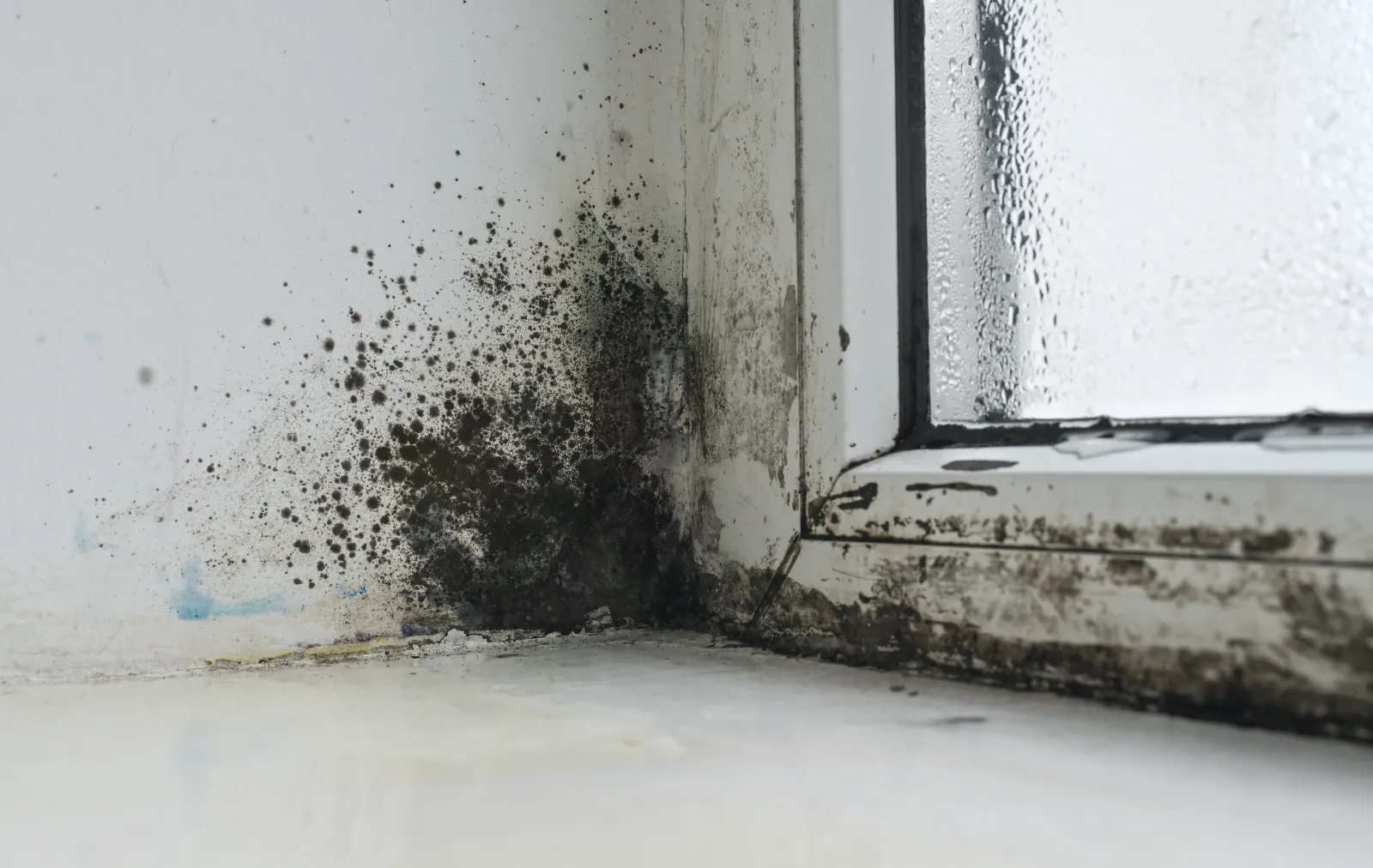
No. The CL-100 covers moisture and wood-decay fungi, not mold in your air ducts. An inspector can flag the high moisture that lets mold grow, but the report does not test for or certify mold. Treating your HVAC is complementary to the CL-100, not a way to pass it.
This is the single most misunderstood thing about selling a house in South Carolina. Wood-decay fungi attack the wood structure of the home. Mold growing on a cooling coil or inside ductwork is a different organism in a different place, and the CL-100 form does not test for it (Locke Key Associates; Lauren Zurilla & Associates).
So we will not tell you a $50-per-vent treatment makes you “pass your CL-100.” That would be conflating two different things. What is true: the CL-100 flags the moisture conditions that feed mold, and humid Lowcountry air is exactly that condition. A pre-listing HVAC treatment handles the air-system mold the CL-100 leaves untouched, alongside the moisture work the CL-100 actually grades. The two jobs sit side by side. They do not substitute for each other.
What moisture readings count as an “excessive moisture condition”?
SC guidance treats wood moisture at or above roughly 20 percent, plus standing water or active fungal growth, as an excessive moisture condition that the CL-100 can flag. That moisture is also what feeds mold in your ducts, which is why moisture and the air system are worth handling together before you list.
South Carolina pest-control guidance generally treats substructure wood moisture in the 20 percent range and up, along with standing water or visible active fungal growth, as conditions an inspector can note as excessive moisture (SC REALTORS / Clemson Extension). Confirm the exact threshold and remedy with your CL-100 inspector, since the call is theirs to make on the day.
Here is the link homeowners miss. The same humid air that drives a substructure moisture flag is the air your HVAC pulls across a cold coil and pushes through the ducts. The EPA puts it plainly: “the key to mold control is moisture control,” and it recommends keeping indoor humidity below 60 percent, ideally 30 to 50 percent (EPA, A Brief Guide to Mold, Moisture and Your Home). Fix the moisture story, and you take pressure off both the CL-100 and your air system.
Can a musty AC smell scare off a buyer at a showing?
Yes. A musty smell when the AC turns on is the first thing many buyers notice walking in, and it reads as a hidden problem. It will not fail a CL-100, but it can cost you offers and stall an FHA or VA appraisal if visible mold is present. Treating the source removes the smell.
Buyers form an impression in the first thirty seconds, and smell is part of it. A musty, mildew-like smell when the air conditioner kicks on signals “moisture problem” to a buyer before they have seen the kitchen. You can mask it with a plug-in for one showing, but it comes back the moment the blower runs, and a sharp buyer’s agent will catch it.
There is also a financing angle. FHA and VA appraisers can call out visible mold and require it to be addressed before the loan closes, which can stall or re-open a deal that looked done (confirmed against FHA/VA appraisal practice). Clearing the air system before you list keeps that off the appraiser’s report. If you want the full diagnostic on the smell itself, read why does my AC smell musty.
Should I treat my HVAC and ducts before listing, and what does it cost?
If the system smells musty or you have seen growth around vents, yes. A flat $50 per vent, typically $500 to $750 on a 10 to 15 vent home, with a $399 minimum. It fits a pre-listing budget, books in a few days, and you hand the buyer a transferable 12-month guarantee.
| Service | Price |
|---|---|
| Bactronix per-vent HVAC mold treatment | $50 per vent |
| Typical 10 to 15 vent home | $500 to $750 |
| Dryer-vent treatment add-on | $99 |
| Conventional HVAC-system mold removal | $2,000 to $10,000 (national estimate, Charleston SC area) |
| Whole-home mold remediation | $1,200 to $3,750+ (national estimate, Charleston SC area) |
The pre-listing math is simple. A $50-per-vent treatment cleans and treats the mold in your vents, coil, and air handler, and on a typical 10 to 15 vent home that is $500 to $750 with a $399 minimum. The $2,000 to $10,000 figure is conventional mold removal inside an HVAC system, and the $1,200 to $3,750+ figure is whole-home remediation, both national estimates for the Charleston SC area (HomeGuide 2026; This Old House 2026). Treating the air system before you list is the small, scheduled line item that keeps a five-figure remediation surprise out of your negotiation. The complete comparison lives at HVAC mold treatment cost.
See your exact pre-listing price in 30 seconds.
Enter your vent count and get the exact line item for your listing-prep budget.
One flat price. $50 a vent, posted right here on the page.
What can I show buyers to prove the air system was treated?

You get a treatment record and a 12-month guarantee that transfers to the buyer. It documents that the HVAC and ducts were cleaned and treated with an EPA-registered antimicrobial before listing, which answers the air-quality question a musty smell or a moisture note would otherwise raise.
Every treatment covers the supply and return vents, the cooling coil, the condensate drain pan, the blower, and the air handler, finished with an EPA-registered antimicrobial applied by our Bactronizing electrostatic process. You receive a treatment record dated before your listing, and the 12-month guarantee transfers to the buyer at closing.
That is paperwork a listing agent can put in front of a cautious buyer. It does not replace the CL-100, and we never present it as a CL-100 substitute. It simply documents that the air system, the part the CL-100 does not test, was handled by a licensed local contractor on a date you can point to.
Who do I call for the CL-100 versus who treats the ducts?
Two different calls. A licensed pest-control inspector issues the CL-100 for moisture and wood-destroying organisms. We treat the mold in your HVAC and ducts at $50 per vent. For mold testing specifically, an independent tester like a local mold-inspection partner handles the lab side.
Keep the roles straight so nobody oversells you. The CL-100 comes from a licensed SC pest-control inspector who grades moisture and wood-destroying organisms. If you want an actual mold test with lab results, that is an independent mold inspector’s job, and we can point you to a local testing partner rather than grade our own work.
What we do is the treatment: clean the HVAC and duct system under negative pressure, find the moisture feeding the growth, and apply the EPA-registered antimicrobial to its label. Greg Busang owns the company and sets the flat rate; the crew he trained does the treatment and leaves you the dated record for the listing file. South Carolina’s seller disclosure is knowledge-based, meaning you disclose what you actually know about the property, and it does not mandate a mold test. Treating the system before you list simply means there is less to worry about disclosing.
If your listing is an established Summerville home, the resale market and the historic-home ductwork details live on the Summerville mold treatment page. For how the treatment works start to finish, see HVAC mold treatment for $50 a vent.
Questions sellers ask us.
Basic Info
Does the CL-100 cover mold?
No. The CL-100 covers moisture and wood-decay fungi, not mold in your air ducts. A licensed inspector can flag the excessive moisture conditions that let mold grow, but the report does not test for or certify mold itself. A $50-per-vent HVAC treatment handles the air-system mold the CL-100 leaves untouched. The two are complementary, and treating the ducts is not a way to pass the CL-100.
Will a musty AC smell fail my CL-100 or hurt my home sale?
A musty smell will not fail a CL-100, since the CL-100 grades moisture and wood-destroying organisms, not air-system odor. But it can hurt the sale. Buyers notice the smell at a showing and read it as a hidden problem, and FHA or VA appraisers can stall a deal over visible mold. Treating the HVAC at the source removes the smell before showings start.
Should I treat my HVAC and ducts before listing my house?
If the system smells musty or you have seen growth around the vents, yes. A flat $50 per vent, typically $500 to $750 on a 10 to 15 vent home with a $399 minimum, fits a pre-listing budget and books within a few days. You hand the buyer a treatment record dated before listing plus a 12-month guarantee that transfers at closing.
Service Info
Do I have to disclose mold when selling a house in South Carolina?
South Carolina’s seller disclosure is knowledge-based, so you disclose what you actually know about the property’s condition. There is no state mandate to test for mold before selling. Treating the HVAC and ducts before you list simply means there is less to worry about disclosing and a documented treatment record if a buyer asks.
Who do I call for the CL-100 versus who treats the ducts?
Two different calls. A licensed SC pest-control inspector issues the CL-100 for moisture and wood-destroying organisms. We treat the mold in your HVAC and ducts at $50 per vent. For an actual mold test with lab results, an independent mold inspector handles that, and we can refer you to a local testing partner rather than grade our own work.
Book your pre-listing treatment.

Pick a window that works before your photos and showings. You pay when the work is done, not when you book.
Or call 843-282-7777 with your listing date, or email gbusang@bactronixsc.com if your agent is coordinating the schedule.
Marine veteran owned. EPA-registered products. Flat $50 per vent. $399 minimum. 12-month guarantee. No upsell.