Why Does My Brand-New Cane Bay Home Smell Musty? (New Construction, Humidity, and Your Ducts)
A new home can smell musty because airtight, efficient construction runs the AC in short cycles that pull less moisture from the air.
Can a new construction home really have mold or a musty smell already?
Cane Bay, Nexton, and Carnes Crossroads · Flat $50 per vent · EPA-registered antimicrobial · 12-month guarantee · Marine veteran owned
Homeowners in this exact spot describe it plainly. One new owner on Houzz found the crawl-space ductwork of a brand-new house dripping wet with condensation. Another, on the City-Data Charleston forum, was told the smell might just be the framing lumber drying out. Both situations are real, and both leave moisture sitting on cold duct surfaces, which is what mold needs to start.
Flat $50 Per Vent
12-Month Guarantee
EPA-Registered Product
Marine-Owned
Is it the building materials drying out, or is it humidity in the ducts?
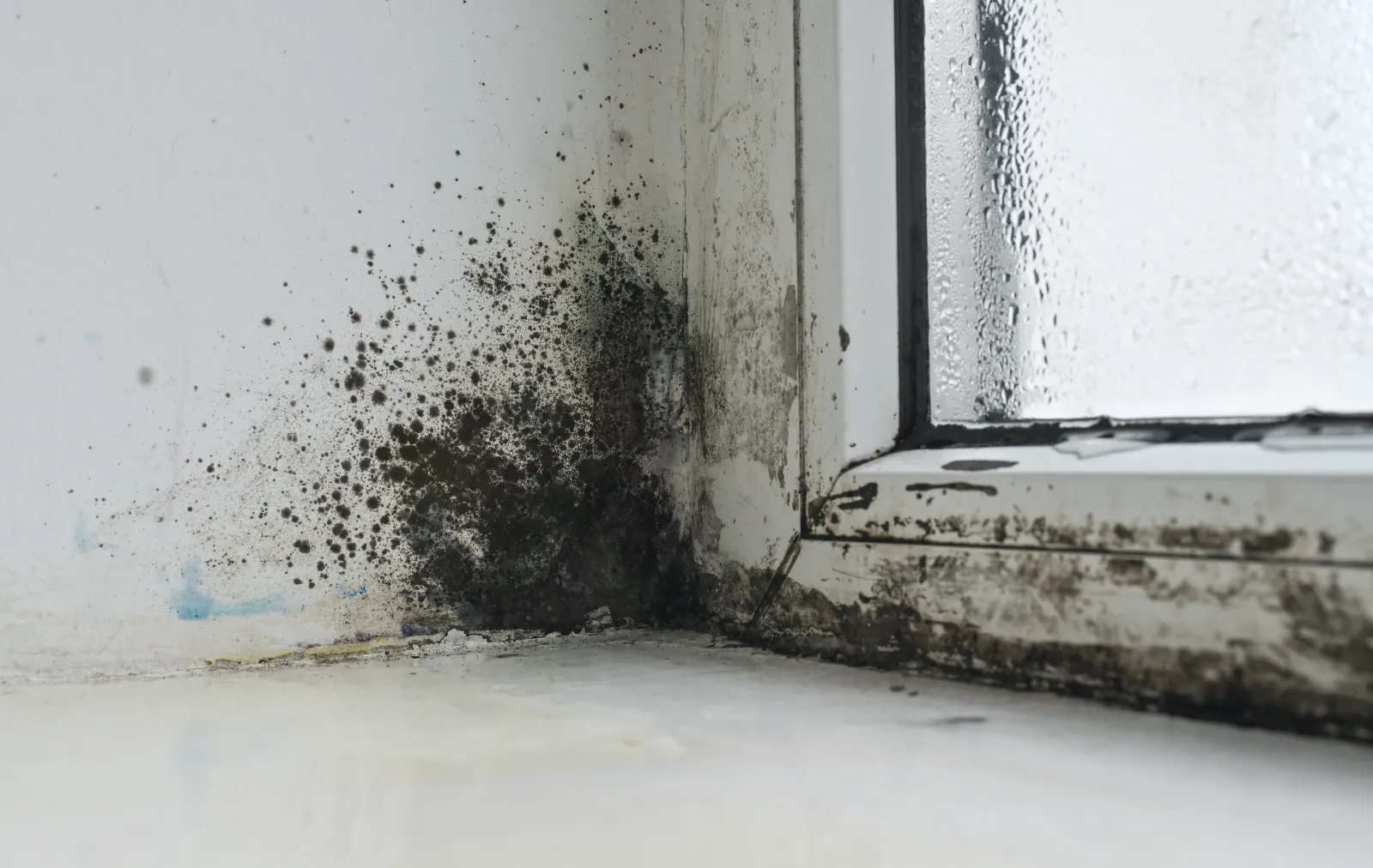
The Charleston area sits muggy roughly six months a year, around 72 percent relative humidity (WeatherSpark). The EPA puts it directly: “the key to mold control is moisture control” (EPA, A Brief Guide to Mold, Moisture and Your Home). So if your new home still smells musty after the first summer, the cause is almost always moisture in the air system, not lumber that has long since dried.
Why do tight, energy-efficient homes trap more humidity?
This is documented building science, not a sales line. The US Department of Energy found that airtight high-efficiency homes have longer AC off-times, so “indoor moisture can build up and cause elevated levels of indoor relative humidity” (DOE Building Science, report BA-1310). The same trade research notes that “in humid climates, reducing the cooling operation also reduces humidity removal, thereby increasing a home’s humidity levels” (Pro Builder). Your new home is comfortable on temperature and quietly humid on moisture.
What indoor humidity level keeps mold from growing?
A few signs your new home is running humid: windows that fog, a clammy feel even when the temperature is fine, and that musty smell when the AC kicks on. If you see condensation on the ductwork or around vent covers, the moisture is already reaching the surfaces where mold grows. That is the point to treat the system, before it spreads.
Why are Cane Bay, Nexton, and Carnes Crossroads homes prone to this?
Nexton and Carnes Crossroads next door are no older, and the whole corridor shares the same recipe: tight, efficient, builder-grade homes, sized and built to cost. That is normal, and it is good for the power bill. It is also the precise setup, an airtight shell plus a short-cycling AC plus 72 percent outdoor humidity, that lets moisture collect in the ductwork. None of it is a knock on your builder; the climate simply meets the way modern homes are built, and the result is treatable.
See your exact Cane Bay price in 30 seconds.
Enter your vent count for the full price, with nothing bolted on later.
Most Cane Bay homes run 10 to 15 vents, so a full treatment is $500 to $750, with a 12-month guarantee.
How does a per-vent treatment help a humid new build?

Most Cane Bay homes run 10 to 15 vents, so a full treatment is $500 to $750, with a 12-month guarantee. Compare that to conventional HVAC-system mold removal, which national sources price at $2,000 to $10,000 (national estimate; HomeGuide 2026; This Old House 2026). Treating the air system now is the affordable move before mold reaches the structure. The rate is set by the owner, Greg Busang, and posted; the crew treating your system has no say in the price and nothing to add to it.
Will the musty smell come back if the humidity is not controlled?
Our 12-month guarantee backs the work, and the honest answer is that lasting control pairs the treatment with keeping indoor humidity in the EPA’s 30 to 50 percent band. Some new homes need a dehumidifier or a longer AC fan setting to get there. We will tell you straight if that is your situation.
New construction questions.
Basic Info
Can a brand-new home already have mold in the ducts?
Yes. A new home can smell musty within a year or two. Airtight construction runs the AC in short cycles that remove less humidity, so moisture condenses on the cold ductwork and grows mold there. It is not a defect you caused, and a per-vent treatment clears it at the source for $50 a vent.
Why does my new Cane Bay or Nexton home smell musty when the AC runs?
The smell is the system pushing mold spores out through the vents. New, efficient Lowcountry homes run shorter AC cycles, so they remove less humidity and moisture condenses on the cold ductwork (US Department of Energy Building Science). That moisture feeds mold on the coil and ducts.
Service Info
Is the musty smell just new building materials drying out?
Partly, at first. New lumber and finishes release moisture for months while they cure, and that fades. A musty smell that lasts past the first summer is almost always humid air condensing in the ductwork, not curing materials. The EPA is direct: the key to mold control is moisture control.
How much does it cost to treat mold in a new Cane Bay home?
A flat $50 per vent. Most Cane Bay homes are 10 to 15 vents, so $500 to $750 for the full system, treated and guaranteed 12 months. Compare that to conventional HVAC-system mold removal at $2,000 to $10,000 nationally (HomeGuide 2026; This Old House 2026). We confirm the count on site first.
Book your Cane Bay treatment.

Pick a window; holding a slot costs nothing.